

 BLOG
BLOGPerformance advantages of shielded drag chain cables and application analysis in industrial automation equipment
As an indispensable key component in industrial automation equipment, drag chain cables play an important role in modern industrial production. It has many excellent performance advantages, can effectively ensure the stable operation of industrial automation equipment, and is widely used in various complex industrial scenarios.
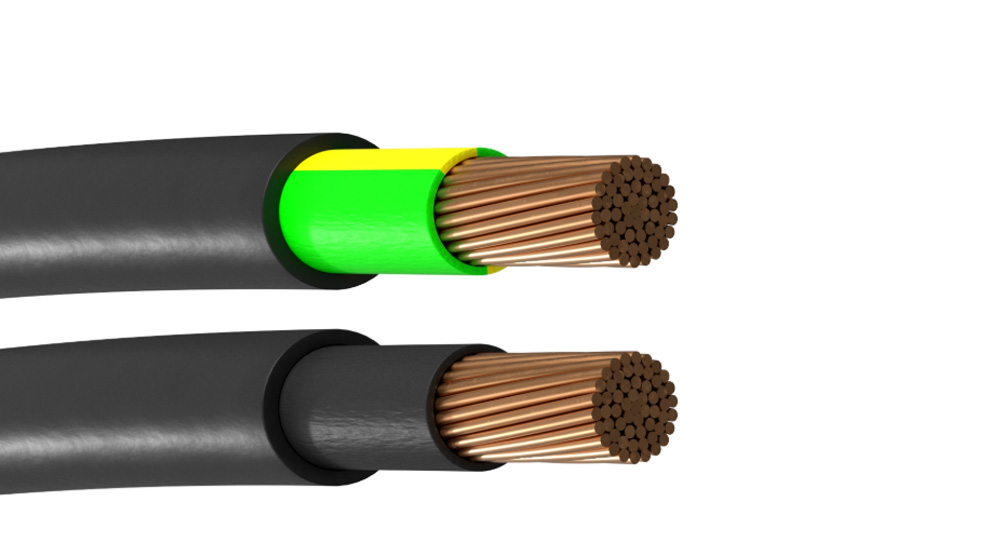
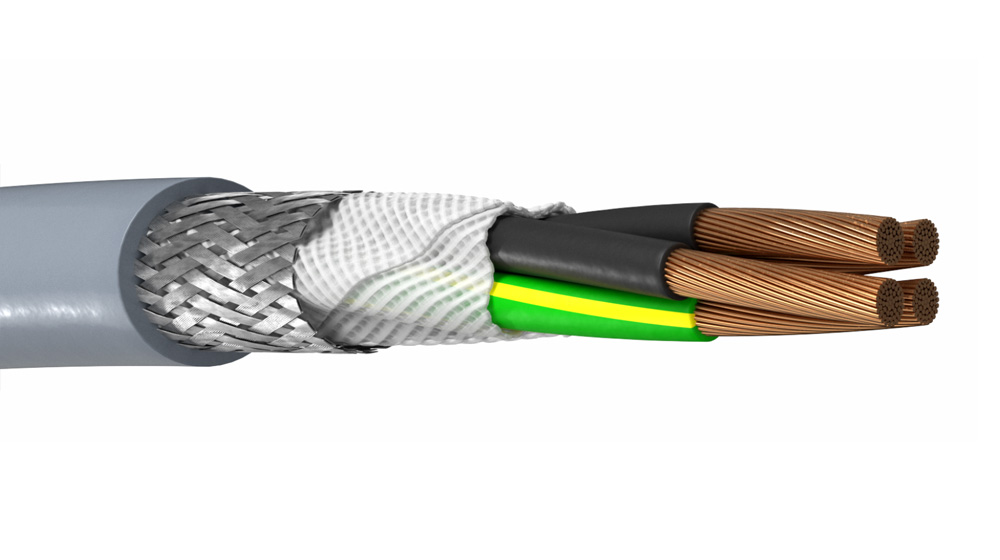
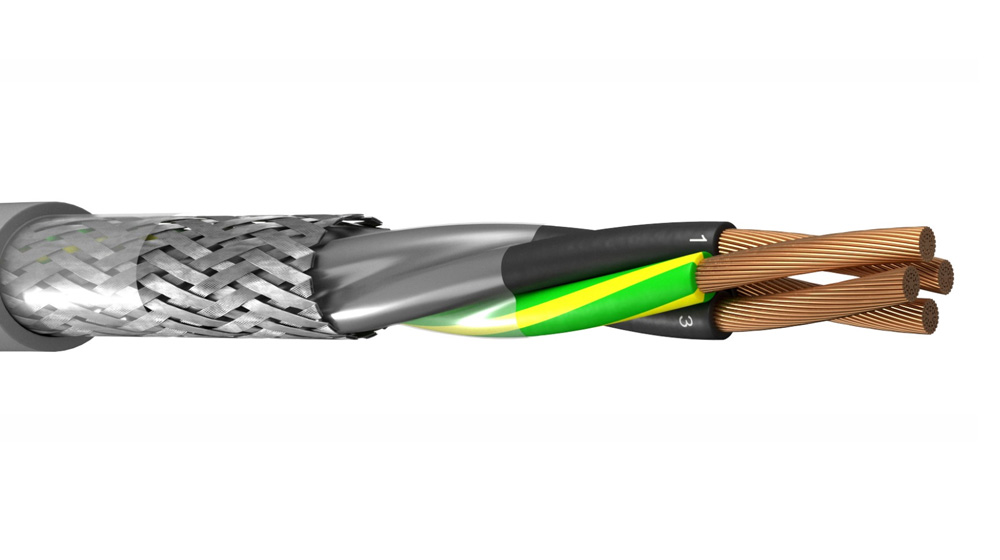
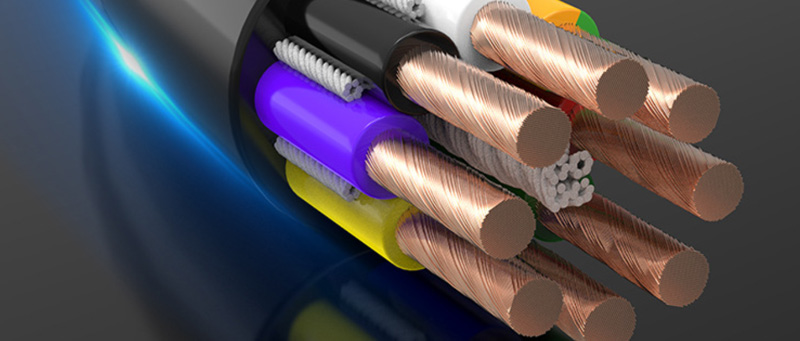
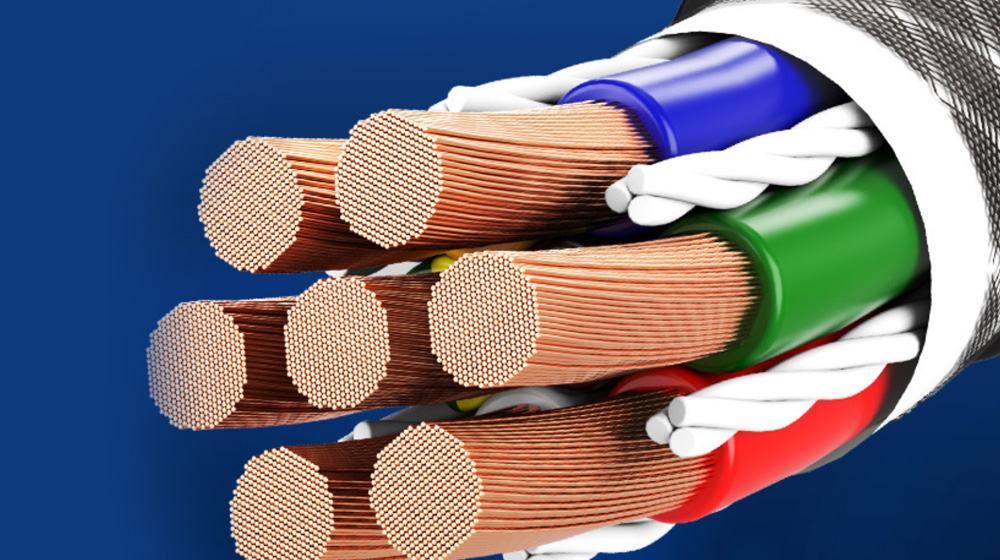
Drag chain cables have excellent bending resistance. During the frequent operation of industrial automation equipment, cables need to constantly bend and twist along with the drag chain. Ordinary cables can easily cause internal conductor breakage, insulation layer damage and other problems due to frequent bending, affecting the normal operation of equipment and even causing safety hazards. With its special structural design and high-quality materials, drag chain cables can withstand millions of bending cycles without failure. It uses multiple strands of finely twisted high-purity oxygen-free copper conductors, which are extremely flexible and can be bent freely in small spaces without damaging the internal structure. The insulation layer is made of high-performance special materials, which have good bending resistance and can closely fit the conductor, effectively protecting the conductor and ensuring stable signal transmission. This excellent bending resistance enables drag chain cables to adapt to various complex wiring requirements in industrial automation equipment. Whether it is a high-speed robot arm or an automated production line with frequent reciprocating movements, drag chain cables can work stably and reliably, providing continuous and stable power and signal transmission support for the equipment.
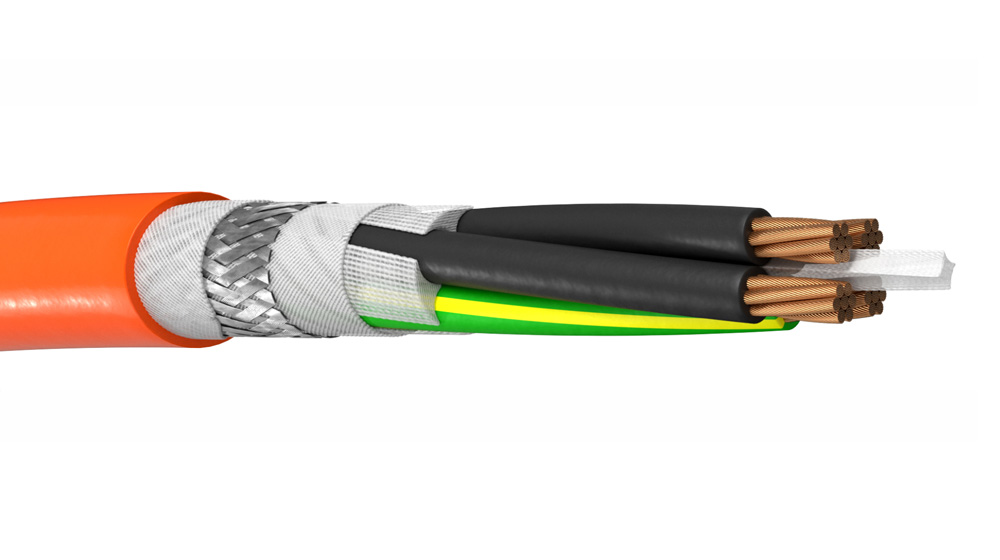
High wear resistance is also a significant advantage of drag chain cables. In industrial production environments, drag chain cables often rub against metal parts inside the drag chain and surrounding mechanical structures. If the wear resistance of the cable is poor, it will easily lead to wear of the outer sheath, which will affect the cable's protective performance and service life. The outer sheath of the drag chain cable is made of special wear-resistant material, which has extremely high hardness and wear resistance. This material effectively resists friction and wear, maintaining good appearance and performance even under long-term and frequent friction. Its surface is smooth and the friction coefficient is small, which can reduce friction loss with other components and extend the service life of the cable. The wear-resistant outer sheath also has good tear resistance, which can prevent tearing due to external force during the drag chain movement, ensuring that the cable is always in safe and reliable operation. This allows the drag chain cable to withstand the test of harsh working environments in industrial automation equipment, providing a strong guarantee for the long-term stable operation of the equipment.
Drag chain cables also have excellent anti-interference capabilities. In industrial automation equipment, various electronic equipment and signal transmission lines are densely distributed, and the problem of electromagnetic interference is more prominent. If the cable's anti-interference ability is insufficient, it will lead to signal transmission distortion, bit errors and other problems, seriously affecting the control accuracy and operational stability of the equipment. Drag chain cables effectively solve the anti-interference problem by adopting a shielding layer design. The shield is generally made of a metallic material, such as copper tape or aluminum foil, and is tightly wrapped around the outside of the cable's insulation. When external electromagnetic interference signals act on the cable, the shielding layer can shield the interference signals so that they cannot enter the cable and affect signal transmission. The shielding layer can also act as an electrostatic shield to prevent static electricity generated inside the cable from interfering with surrounding equipment. This double shielding effect enables drag chain cables to maintain stable signal transmission in strong electromagnetic interference environments, ensuring precise control and reliable operation of industrial automation equipment.
In industrial automation equipment, drag chain cables are widely used. For example, in automated production lines, drag chain cables are used to connect power and signal transmission between various devices so that the production line can operate efficiently and collaboratively. It can flexibly bend with the reciprocating motion of the production line, providing stable power and accurate control signals for the equipment to ensure the quality and efficiency of product production. In the field of industrial robots, drag chain cables are the key to precise movements of robot arms. During the high-speed movement of the robot, the drag chain cable needs to continuously bend and twist. Its bending resistance, wear resistance and anti-interference performance ensure that the robot can accurately receive instructions and perform various complex tasks, such as welding, handling, assembly, etc. In automated warehousing and logistics equipment, drag chain cables are used to connect stackers, conveyors and other equipment to realize automated storage and transportation of goods. It can adapt to frequent movements and complex wiring requirements in the warehousing environment, ensuring the efficient and stable operation of the logistics system.
To sum up, drag chain cables play an irreplaceable role in industrial automation equipment due to their performance advantages such as bending resistance, high wear resistance, and anti-interference. As the level of industrial automation continues to improve, the performance of drag chain cables continues to improve, which will provide more powerful support for the intelligent and efficient development of industrial production.