

 BLOG
BLOGHighly flexible drag chain cable
As an indispensable key component in the field of modern industrial automation, highly flexible drag chain cables play a vital role in many complex and demanding application scenarios. With the continuous improvement of industrial automation, the performance requirements of equipment for cables are becoming increasingly stringent. Highly flexible drag chain cables need to be able to transmit power and signals stably and reliably under frequent bending, twisting, stretching and other dynamic environments. It must not only have good electrical properties, but also have excellent mechanical properties and environmental resistance. Compared with ordinary cables, highly flexible drag chain cables have significant differences in design and manufacturing processes. Its unique structure and material selection enable it to adapt to the special operating conditions of the drag chain system and provide a solid guarantee for the efficient operation of industrial equipment.
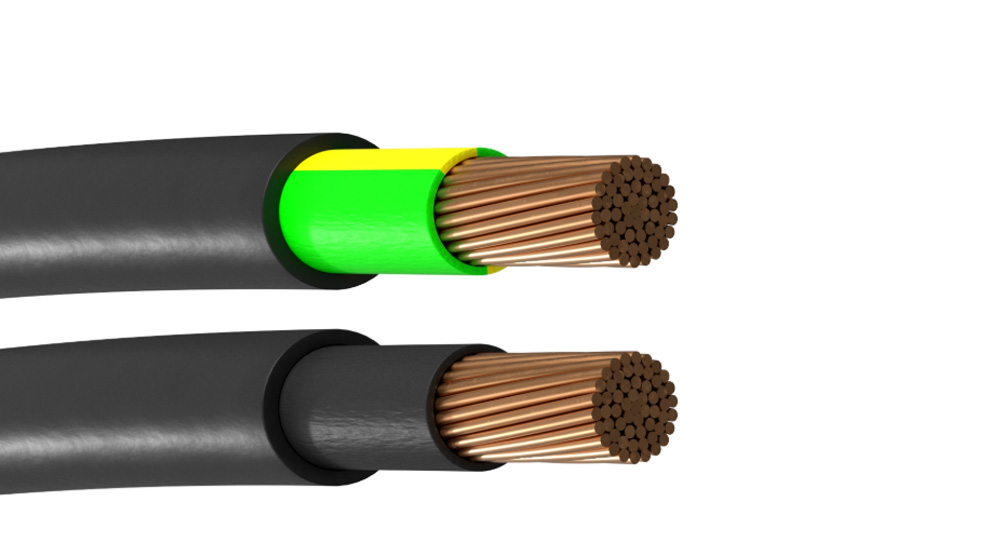
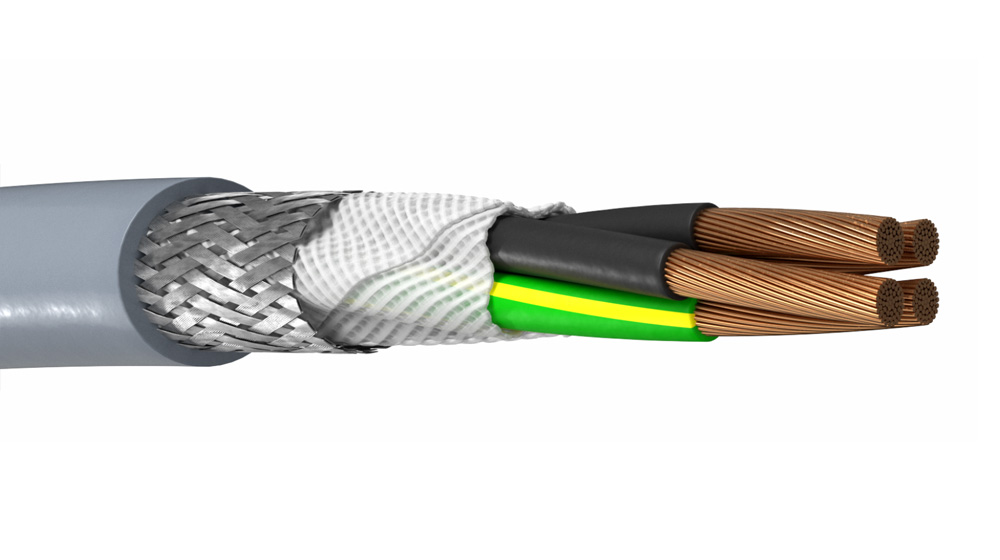
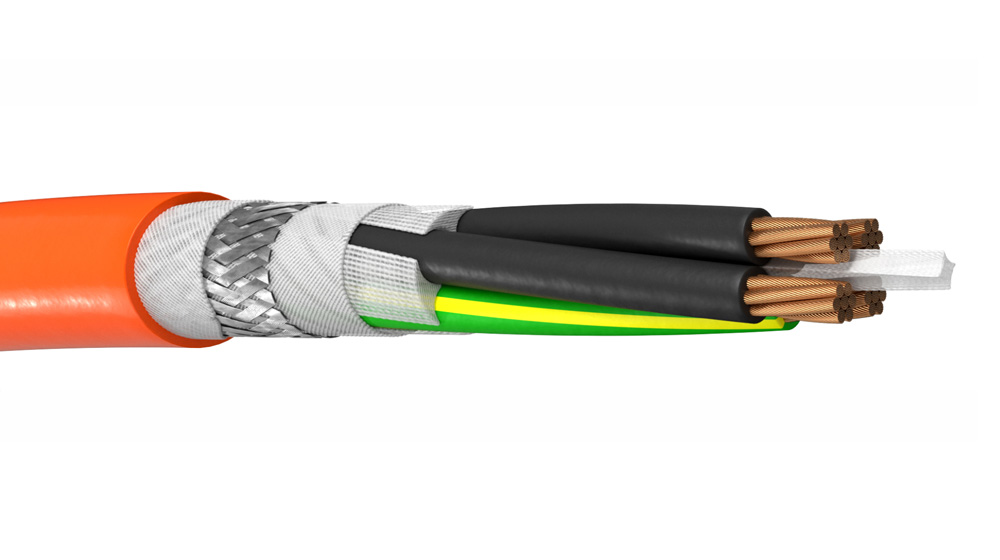
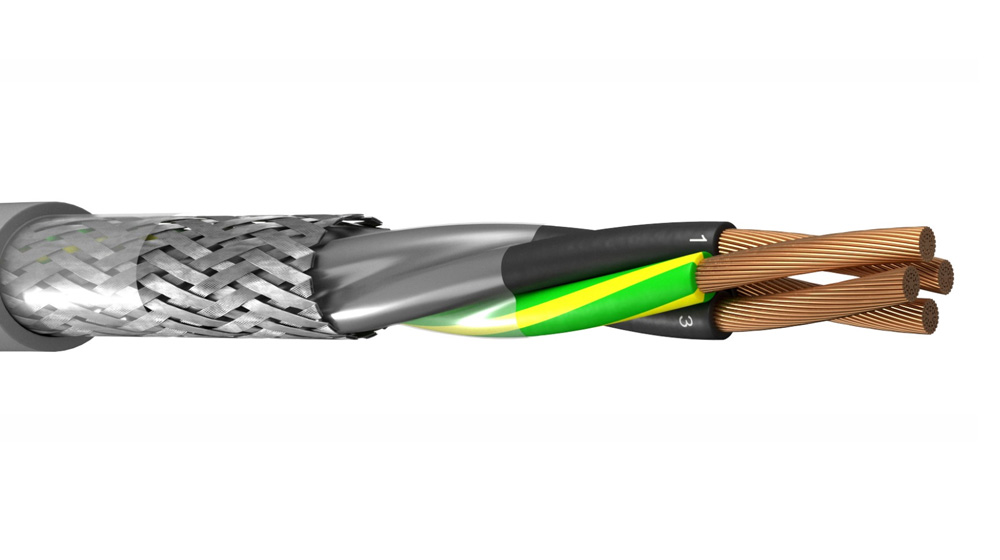
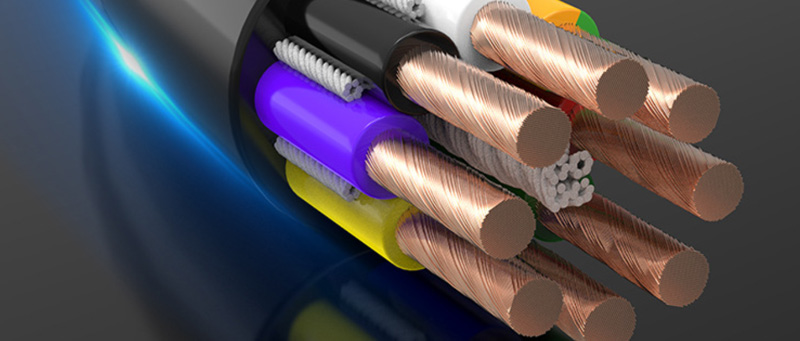
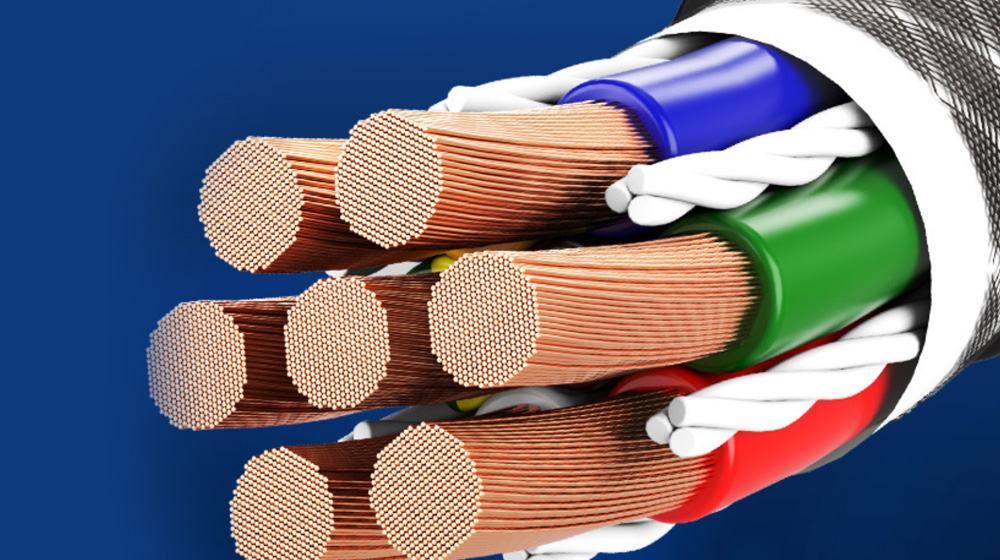
From a structural point of view, highly flexible drag chain cables usually use conductors made of multiple strands of fine copper wires. This design greatly increases the flexibility of the cable, because there is a certain amount of movement space between the thin copper wires, which can slide against each other during the bending process, reducing stress concentration and thereby reducing the risk of conductor breakage. The multi-strand twist also improves the cable's fatigue resistance, allowing it to withstand more bending and torsion cycles. The choice of insulation layer is also very critical. Materials with high elasticity and wear resistance are generally used, such as special polyvinyl chloride (PVC) or polyurethane (PUR). These materials not only provide good electrical insulation properties, but also protect conductors from external environmental influences, such as moisture, chemical corrosion, etc.
In terms of sheathing, the sheath material of highly flexible drag chain cables needs to have excellent wear resistance, oil resistance and weather resistance. Because the drag chain cable will rub against the drag chain and surrounding equipment during operation, and may be exposed to various oils and chemicals. Using high-quality sheath materials can extend the service life of the cable and ensure that it can still work normally in harsh industrial environments. Highly flexible drag chain cables for some special application scenarios will also adopt shielding structures to prevent the impact of electromagnetic interference on signal transmission. The shielding layer is usually composed of conductive materials such as copper mesh or aluminum foil, which can effectively shield external electromagnetic interference from the outside of the cable to ensure the stability and accuracy of signal transmission.
Highly flexible drag chain cables have a wide range of applications. In automated production lines, it is used to connect various moving parts, such as robot arms, moving axes of CNC machine tools, etc. These devices require frequent high-speed, high-precision movements. Highly flexible drag chain cables can ensure stable transmission of power and signals while meeting their movement needs, thereby improving production efficiency and product quality. In the logistics transportation system, drag chain cables provide power and control signals for conveyor belts, sorting equipment, etc. to ensure the smooth operation of logistics. In stage lighting and sound equipment, highly flexible drag chain cables also play an important role. They can flexibly bend as the stage equipment moves and rotates, providing support for the dynamic effects of lighting and sound.
With the continuous advancement of technology, the performance of highly flexible drag chain cables is also constantly improving. Through continuous research and development and innovation, manufacturers use more advanced materials and manufacturing processes to make cables have a smaller bending radius, more bends, and a longer service life. In order to meet the special needs of different industries, highly flexible drag chain cables are also developing in the direction of intelligence and integration. For example, some cables have built-in sensors that can monitor the temperature, stress and other parameters of the cable in real time. When abnormal conditions occur, an alarm will be issued in a timely manner to avoid equipment failures and safety accidents.
Highly flexible drag chain cables also need to pay attention to some issues during use. During installation, ensure that the bending radius of the cable meets the requirements to avoid cable damage caused by excessive bending. Cables should be inspected and maintained regularly, and seriously worn cables should be discovered and replaced in a timely manner. When selecting highly flexible drag chain cables, users need to select appropriate specifications and models based on specific application scenarios and requirements to ensure that the cables can meet actual needs.
Highly flexible drag chain cables play an important role in modern industry. Its high performance and reliability provide strong support for the development of industrial automation. With the continuous advancement of technology, it is believed that highly flexible drag chain cables will be widely used in more fields and make greater contributions to promoting the development of industry.